Trending
 Sakunth
 4 min read
July 9, 2026 | 2:21 PM
Discover the roadmap to mastering coding in your first year of B.Tech with AI—from Python logic to RAG and vibe coding, to ensure you stay ahead of the competition.
The tech industry has changed completely. By the time you finish your graduation in four years, traditional coders who can only write basic syntax line-by-line debug simple loops will be rendered obsolete. Modern AI tools can do that much faster without complaining. So how do you compete with machines?
To be indispensable and make sure you don’t fall behind your peers, you need to change your strategy from the very first day. Here is a complete guide to mastering Coding in first year B.Tech with AI to ensure your resume stands out in the eyes of the recruiters.
As per the latest data on industry hiring, there’s been a massive decline in traditional entry-level coding roles. Why? Because companies are no longer hiring and paying humans to do tasks that a chatbot can accomplish in seconds. So, your college syllabus is already kind of outdated in the real world.
Instead of learning how to write perfect semicolons in C or C++, start building real things in the first year of your B.Tech journey. While it is important to have foundational knowledge and coding logic, relying only on oldschool textbook theories to get a job in today’s AI era is probably a grave mistake. Over nearly 34% of modern entry-level tech roles now demand candidates to have AI hybrid skills. So, you need to prepare yourself to become a systems architect who can leverage AI to build applications that solve real-world problems.
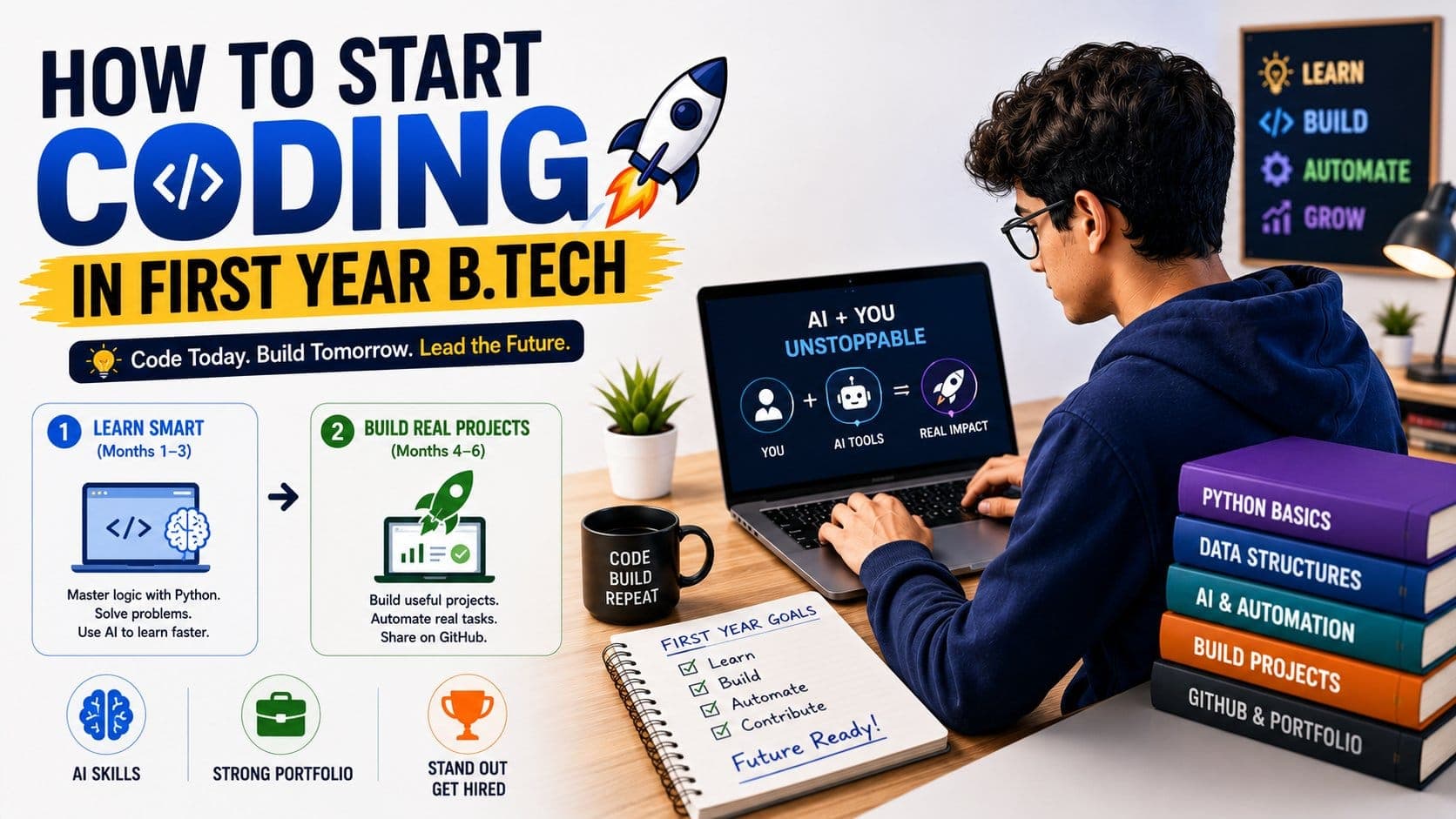
Instead of waiting for your professors to hand you a roadmap, you can build your own in 6 months.
Start with the undisputed language of the AI era, which is Python.
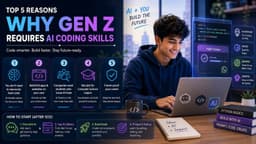
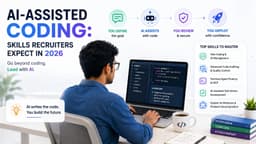
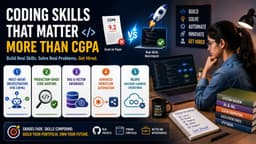
To excel in the tech industry and grab a premium package, you must learn Coding in first year B.Tech with AI:
| Top Skills | What It Means | Why It Makes You Valuable to Recruiters |
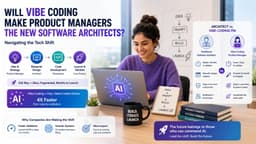
| Multi-Agent Orchestration (Vibe Coding) | Managing a team of different AI tools to handle separate tasks (like design, databases, and security) instead of coding line-by-line yourself. | You act as a manager for a digital workforce, allowing you to finish software projects 10x faster than traditional developers. |
| Retrieval-Augmented Generation (RAG) | Connecting standard AI models safely to a company’s private files using special tools like Pinecone or Chroma. | Companies rarely build AI from scratch. They will hire you to securely feed their private data to AI without leaking company secrets. |
| Production-Grade Code Auditing | Reviewing AI-generated code to spot mistakes, fix bugs, and close security loopholes. | AI writes code fast but makes lots of errors. Your human logic prevents broken code from crashing company applications under heavy traffic. |
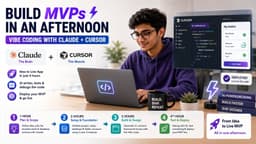
If you want to look beyond college syllabus and textbooks, and learn how to actually manage AI tools, find automated bugs, and build production-grade apps from scratch, check out the PrepBytes Claude AI for Vibe Coding Program. The short-term AI course helps you master the exact skills recruiters are actively hiring right now.
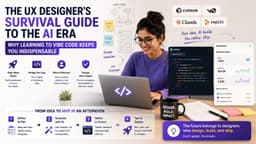
Worrying about AI taking over your coding job and doing nothing about it won’t help. Start coding in first year B.Tech with AI—switch on your computer, write a script, build a real project, and take ownership of your engineering career today.