Trending
 Rupsa Chakrabarti
 5 min read
August 12, 2026 | 12:37 PM
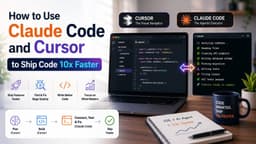
Mid-level developers are leveraging vibe coding to ship MVPs up to 5x faster. By pairing coding knowledge with AI agents like Cursor and Claude, engineers shift from manual typing to high-paid AI orchestration.
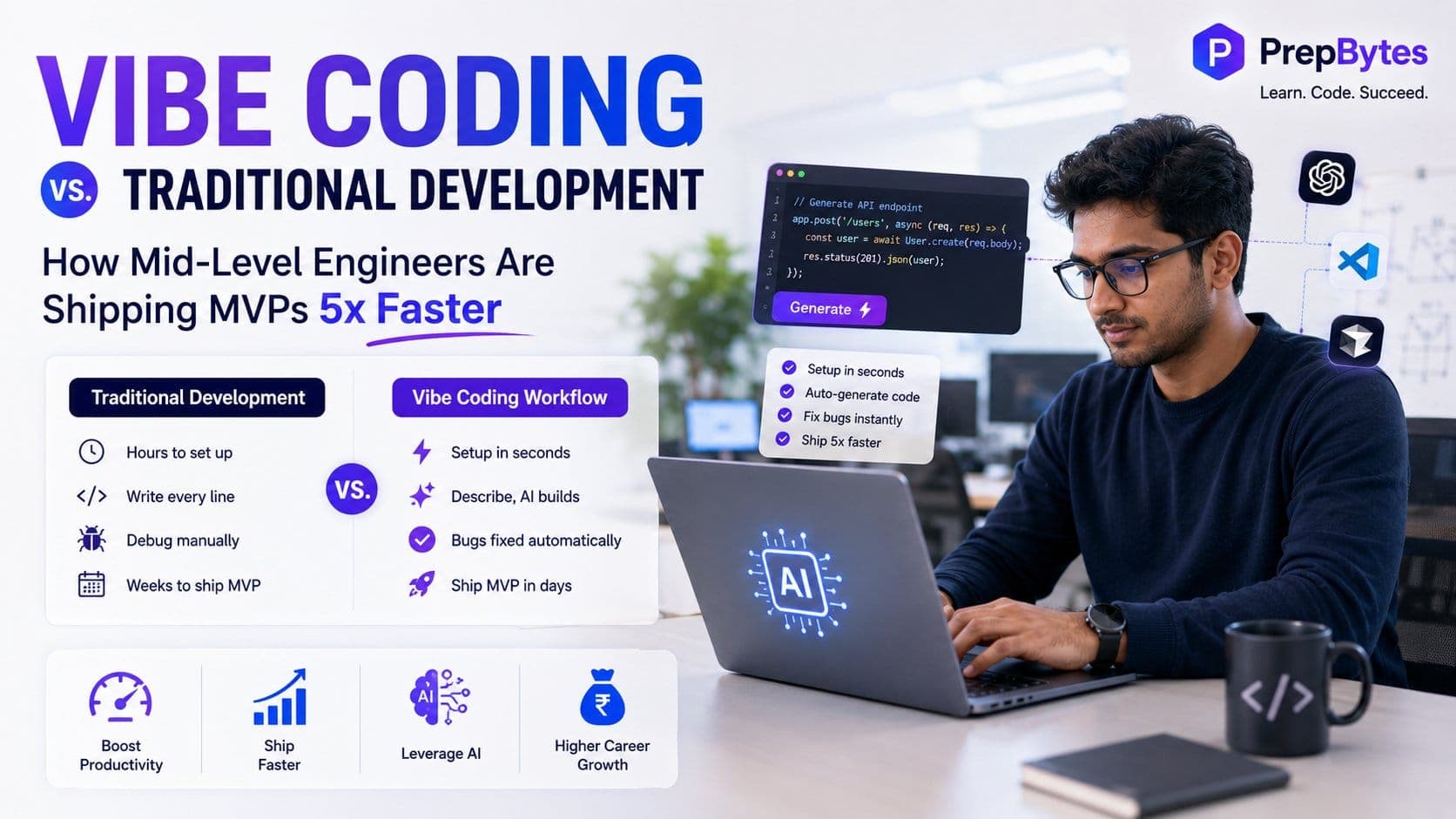
If you’re still building databases from scratch, typing out basic CRUD commands manually, or spending hours to modify website layouts, you’re already writing code the old, hard way.
Welcome to the era of Vibe Coding—a fresh way to build software. You don’t write code by hand. Instead, you turn to an AI tool, describe to it what you want in using simple prompts, test the results, and guide it further in the right direction. Basically, you share your vision while the AI executes.
For developers who are in the middle of their careers, this is a massive shift in the tech industry—and transitioning from manual coding to AI-guided workflows is the fastest way to upgrade your career and secure more rewarding job roles as a software engineer.
Traditional coding requires you to write every single line of code by hand. You create the logic, search for hidden bugs, write test cases, and connect different pieces of software together. While the traditional method gives you complete control, it is slow.
Modern vibe coding lets you focus on the bigger picture. You don’t have to worry about typing syntax line-by-line. You describe your objective to an AI in the simplest language, provide the right context, and sit back and watch AI do all the coding for you.
But here’s the catch—vibe coding is not for absolute beginners. While AI simplifies the coding task, understand that it can make mistakes. If you don’t have a basic understanding of software designs, database structures, or security rules, trusting AI-generated codes blindly may leave you with a broken application. In fact, data indicates that around 20% of unverified AI code results in serious security risks in production.
So, to be able to leverage AI tools for vibe coding, you must have knowledge of real programming. By combining both, you can become the manager directing a team of smart AI assistants rather than a regular engineer typing out every line of code.
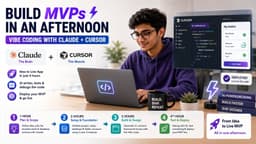
Why are modern engineers moving away from manual routines toward this workflow? Because it removes friction, saves time, and lets you launch MVPs up to five times faster! Here is how:
Many mid-level software engineers think using AI simply means accepting GitHub Copilot inline suggestions while typing. That is basic autocomplete, not system orchestration.
If you don’t know how to link LLM APIs to backend databases, structure multi-agent workflows, or build deep system context, your skillset will soon become redundant as top engineering roles shift toward full-stack AI orchestration.
To bridge the gap between simple coding habits and senior tech roles, check out the PrepBytes Claude AI for Vibe Coding Program. The short-term AI literacy course skips theoretical fluff and focuses on real-world execution—it teaches you how to command smart AI agents, manage complex data pipelines, and ship production-ready applications in seconds.
Here’s a quick look at how traditional coding and vibe coding workflow compare across various key features. This will help you understand how the shift affects engineering workflows on a daily basis.
| Feature / Metric | Traditional Development | Vibe Coding Workflow |
| Primary Execution | Manual syntax typing | Prompt & context orchestration |
| Boilerplate & Setup | Hours to days | Seconds |
| MVP Time-to-Market | 4 – 8 weeks | 3 – 7 days |
| Debugging Method | Manual breakpoints & print statements | Agentic log analysis & auto-refactoring |
| Required Core Skill | Syntax memorization & manual typing | Architectural vision & context engineering |
| Salary Trajectory | Capped at typical developer bands | Up to 62% wage premium for AI engineers |
In order to stay relevant in the tech industry and secure higher salary packages with the top companies, you must follow a practical roadmap—skip standard text editors, switch to agentic environments, like Windsurf or Cursor, that locally index your codebase; focus on feeding context and clear business rules rather than vague prompts to the AI tools; start building real RAG search engines instead of static clones and make them live on cloud platforms.
Remember, those who can master AI tools for full stack developers and leverage vibe coding to automate execution rather than relying on old traditional habits will be the ones to build powerful software 5x faster.